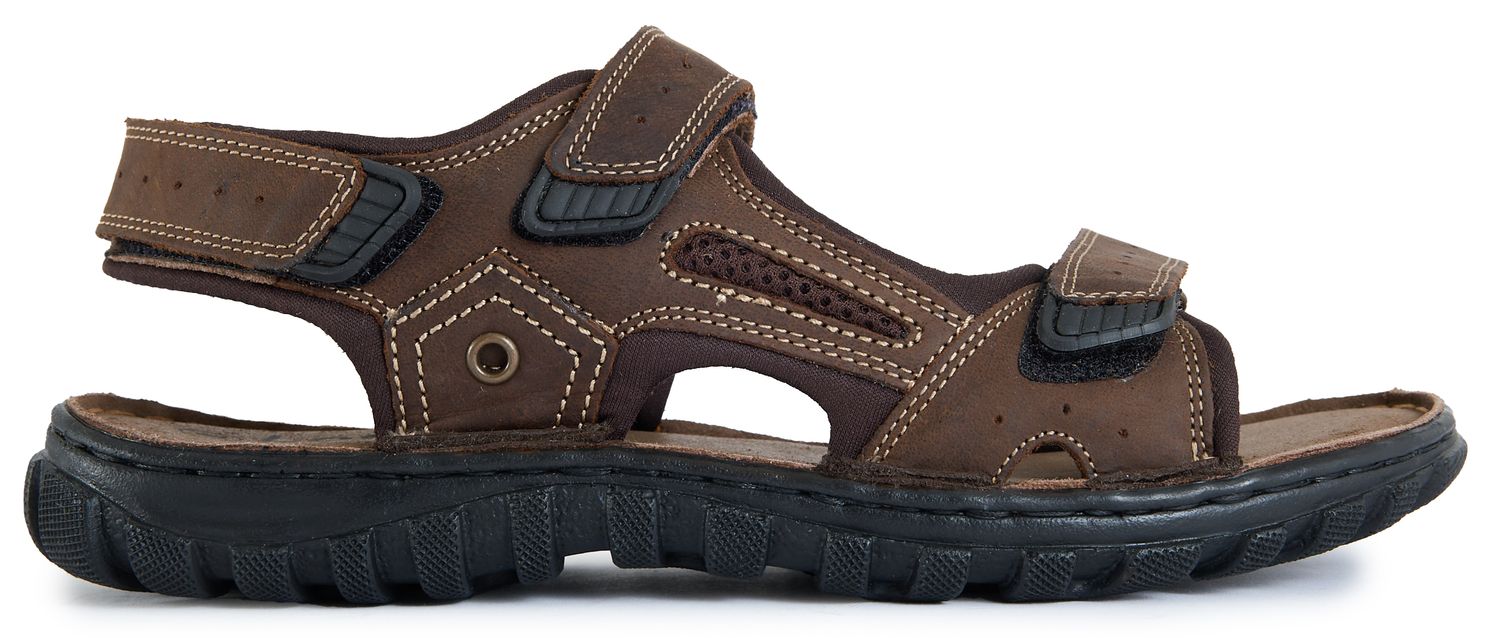
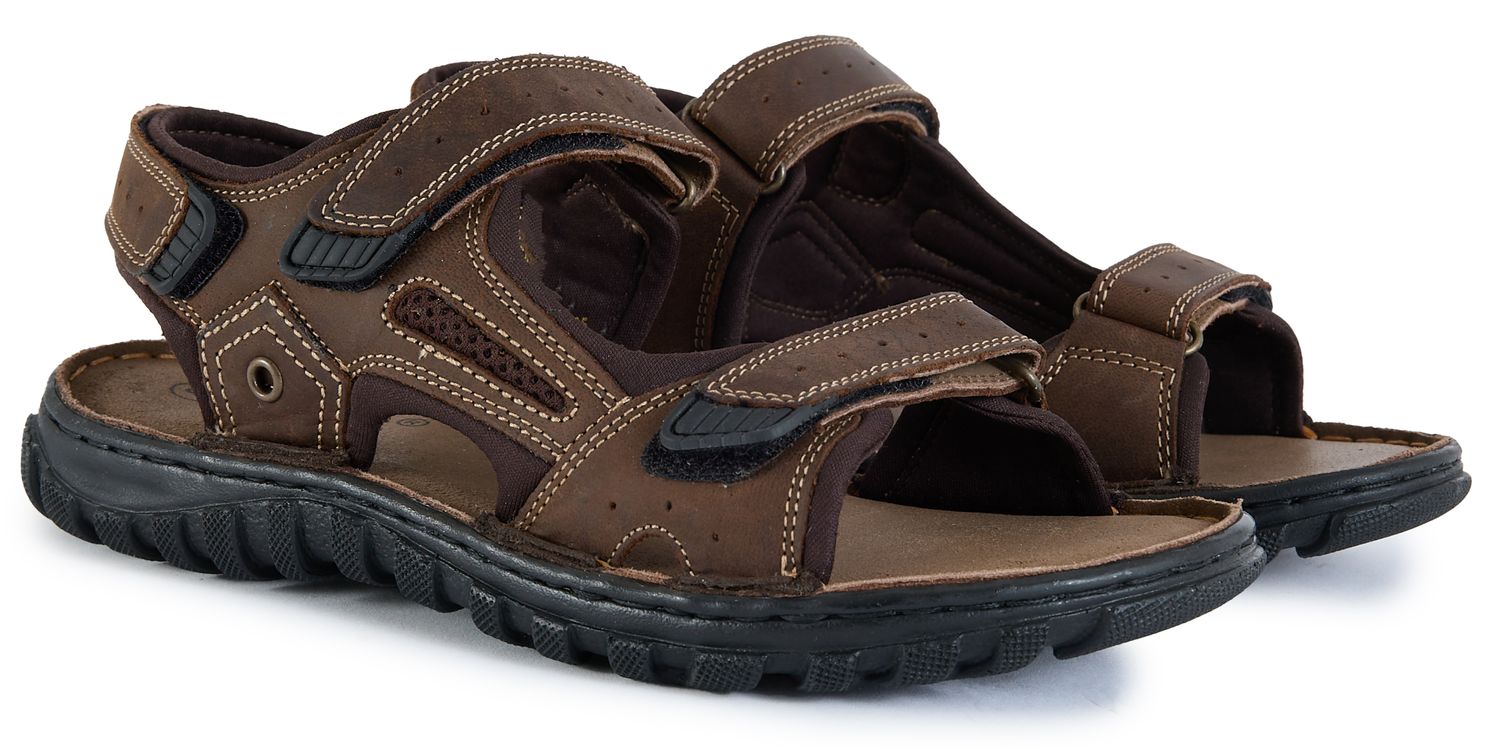
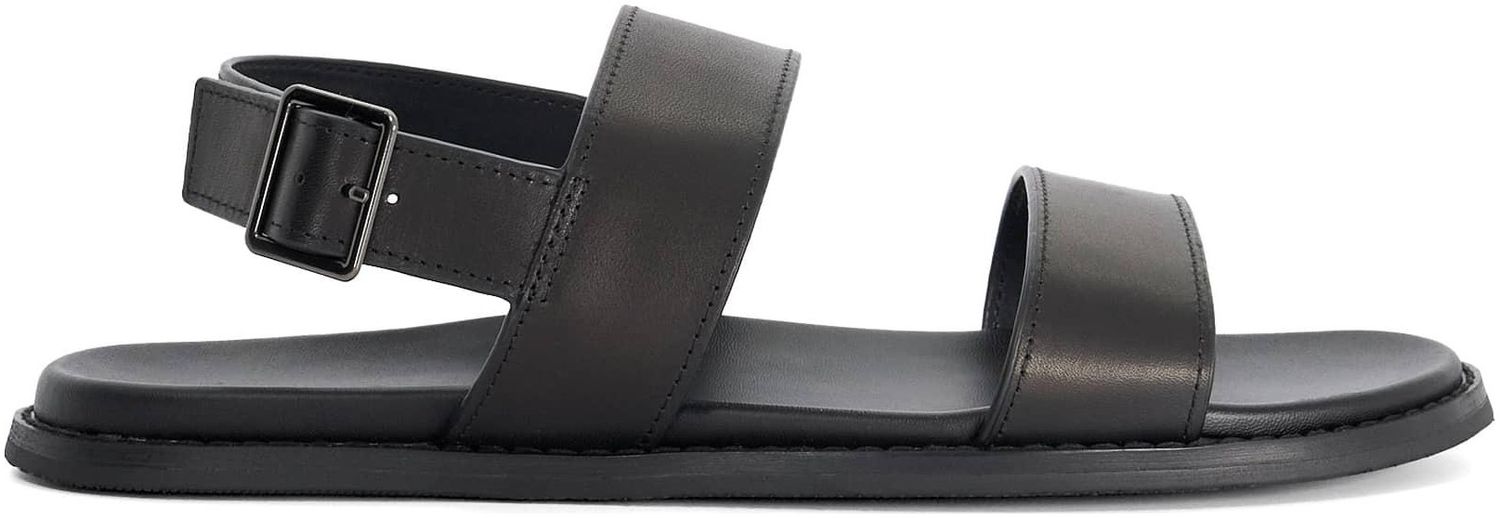
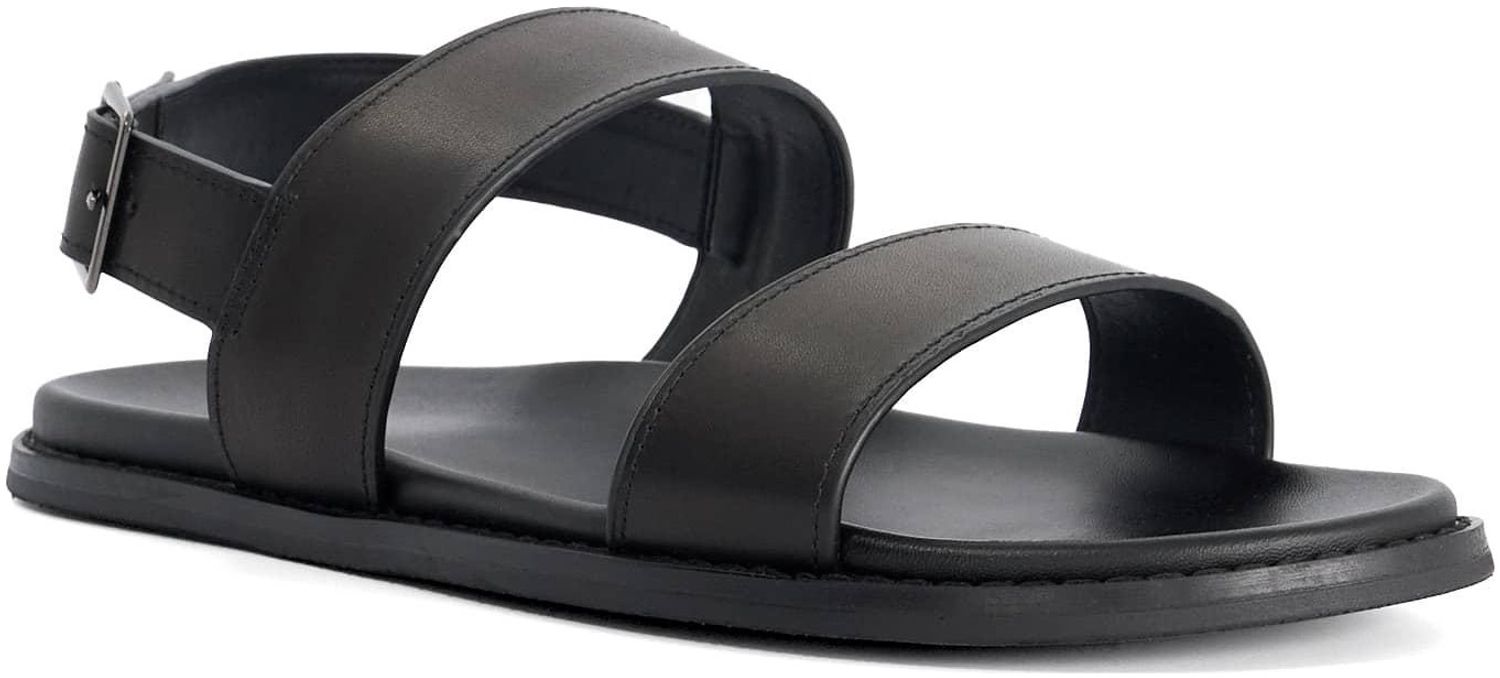
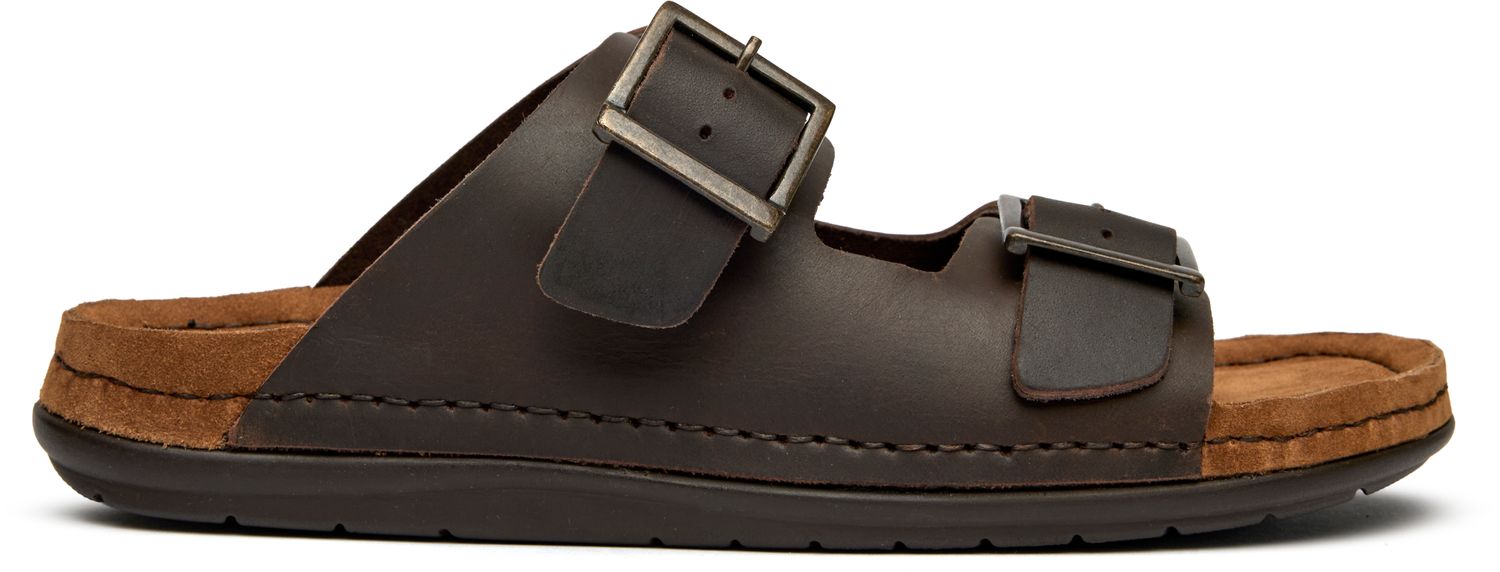
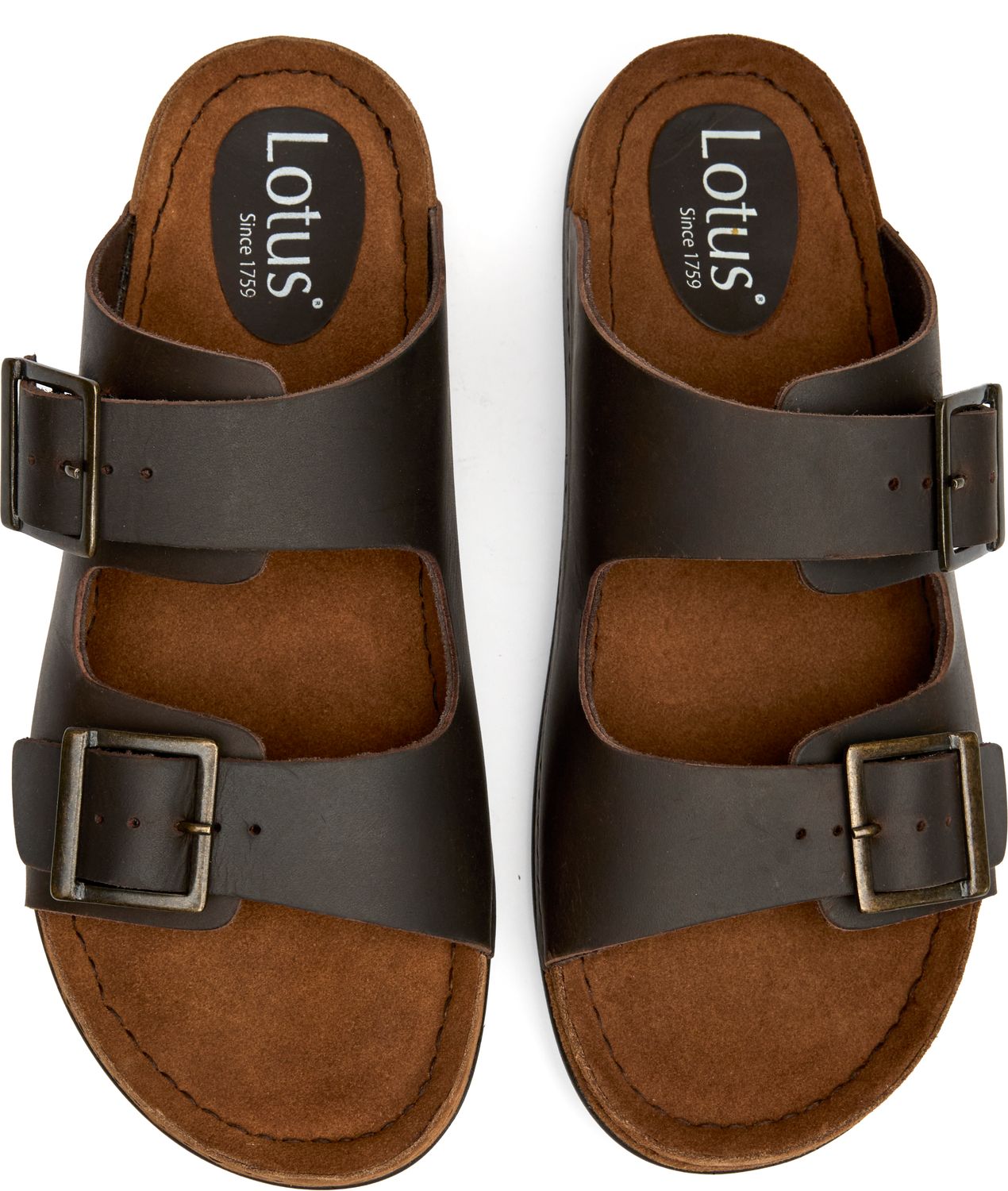
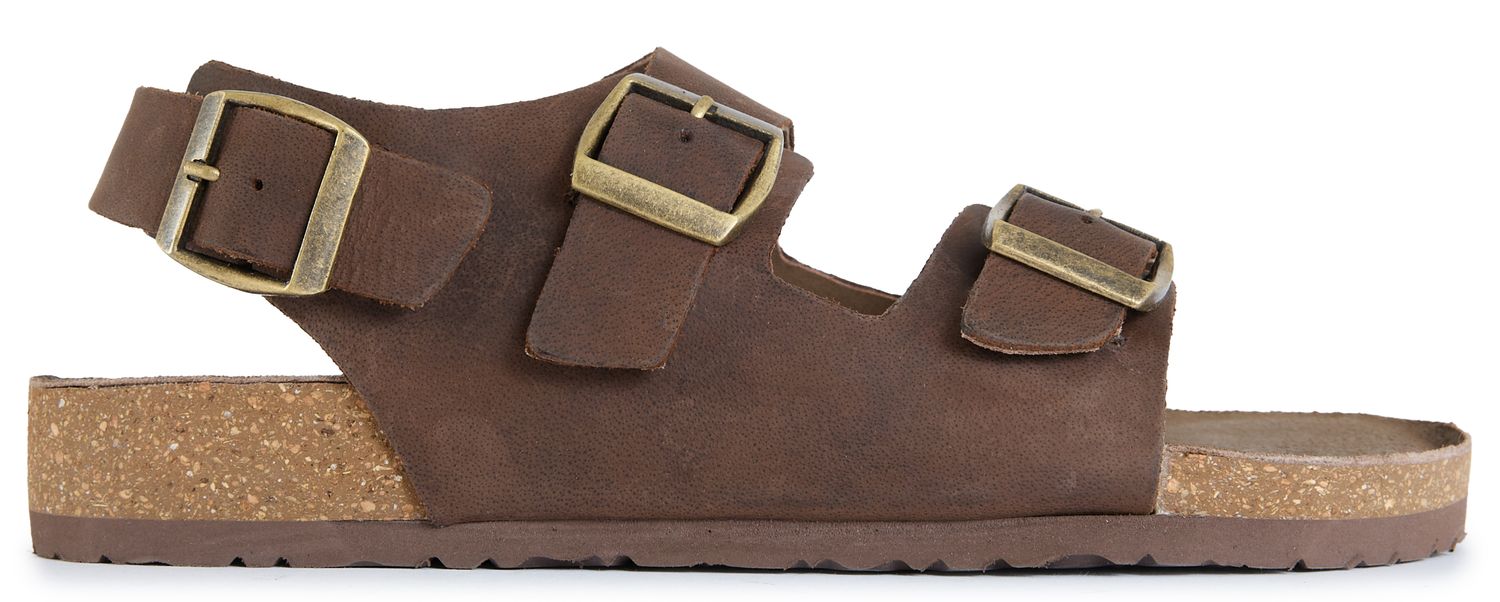
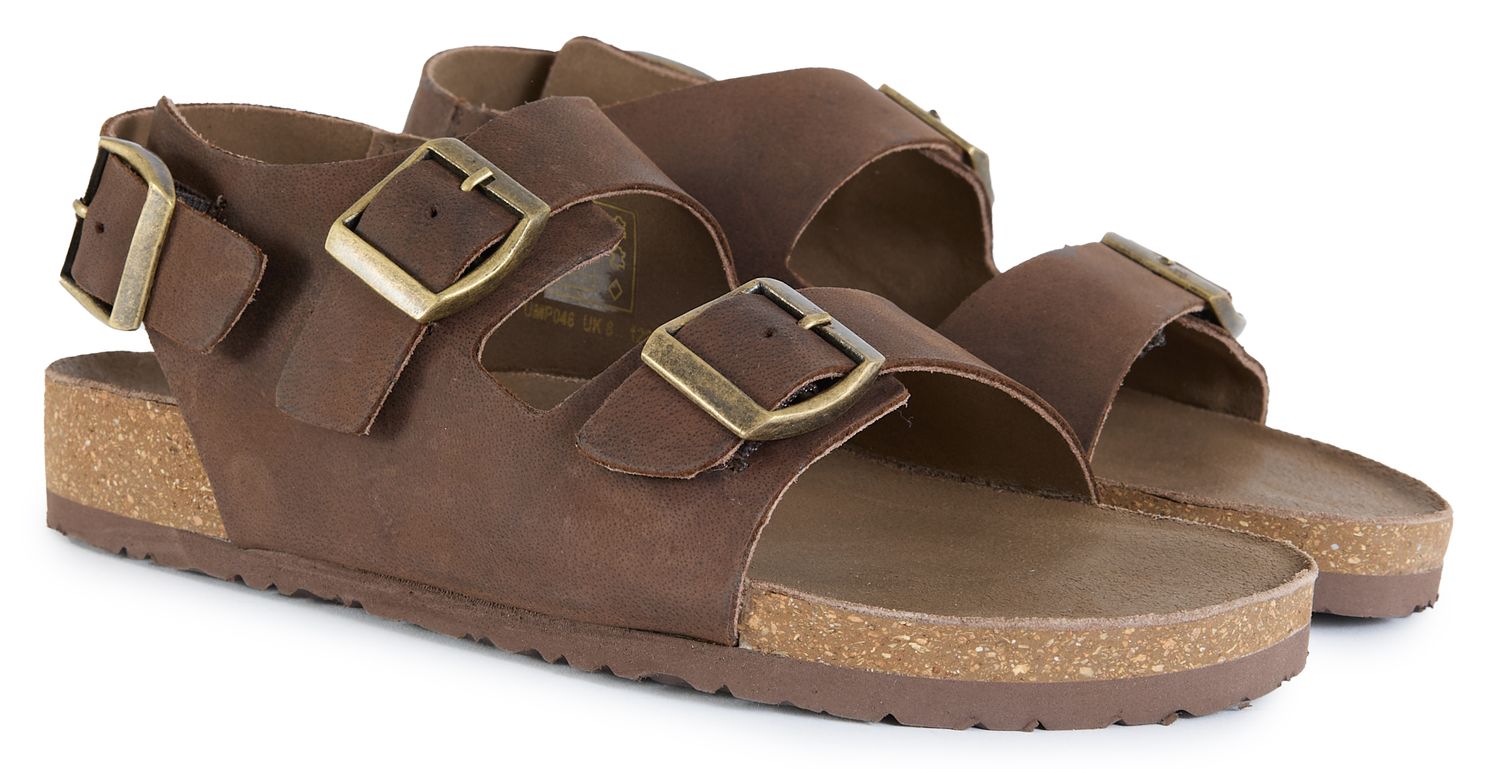
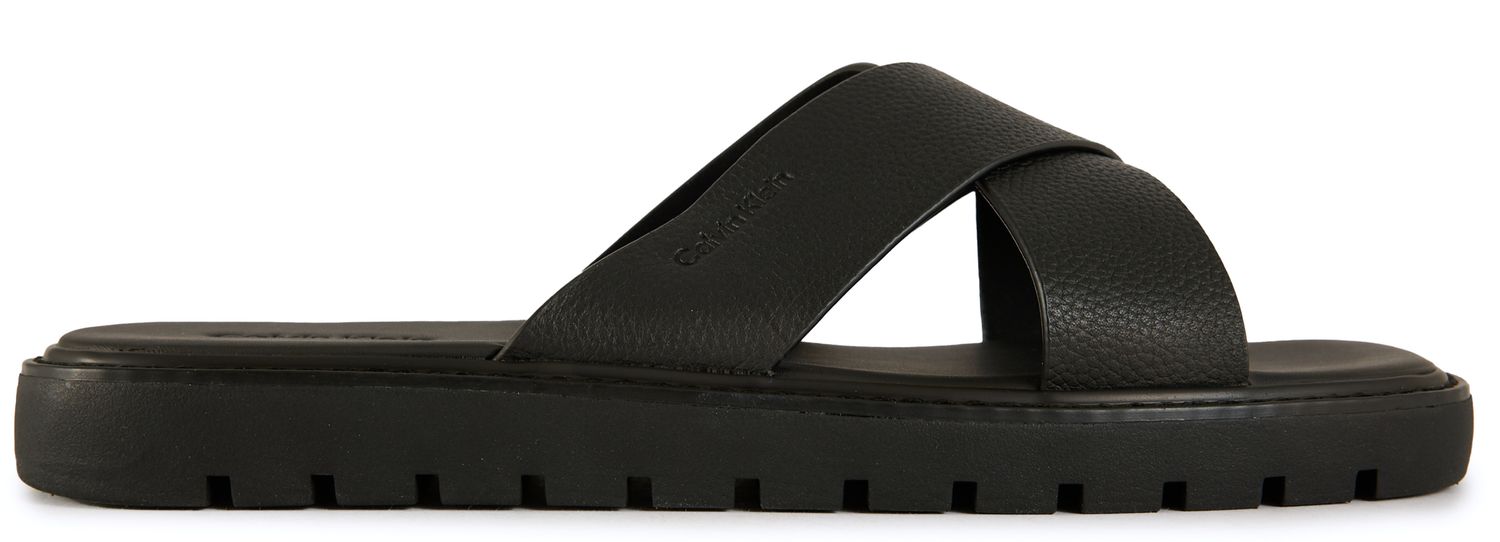
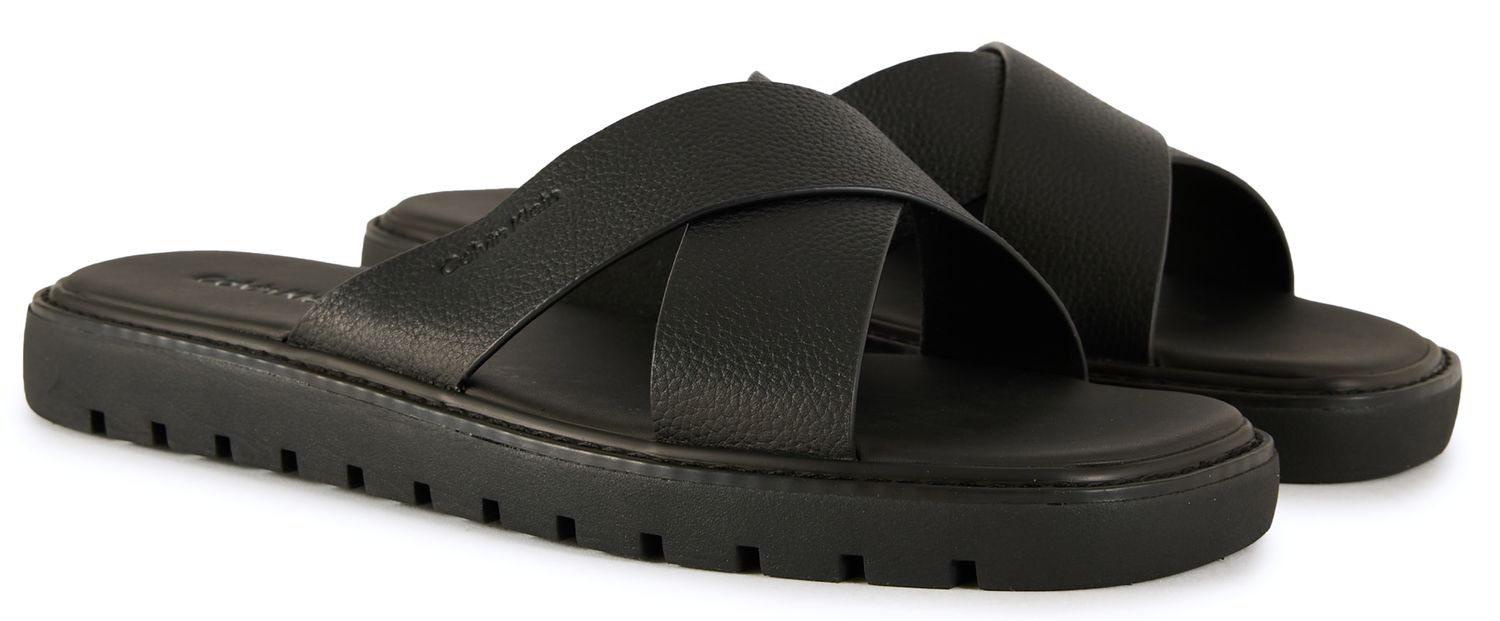
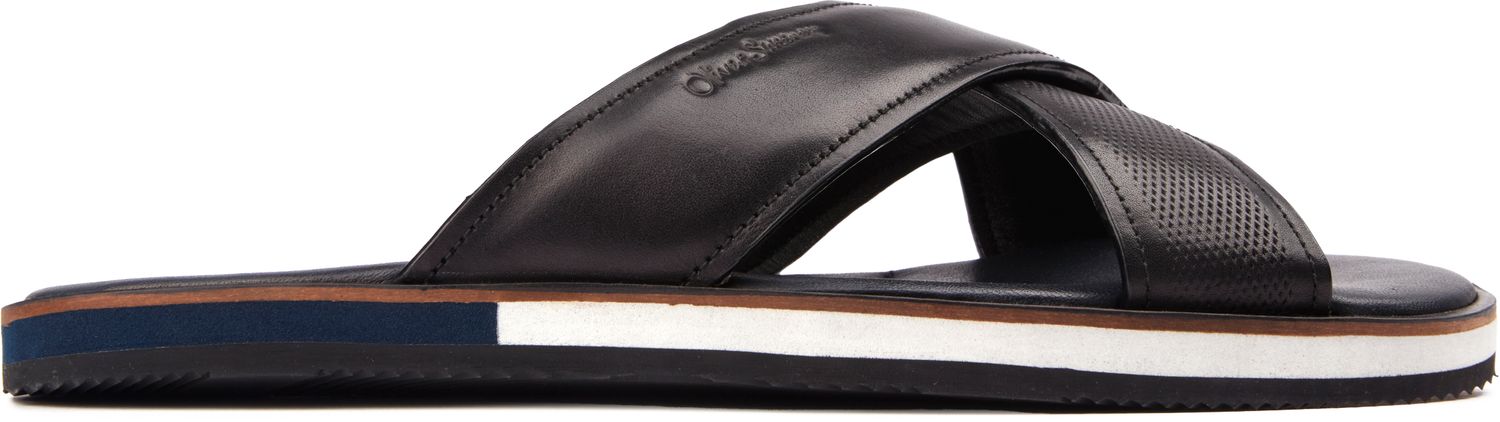
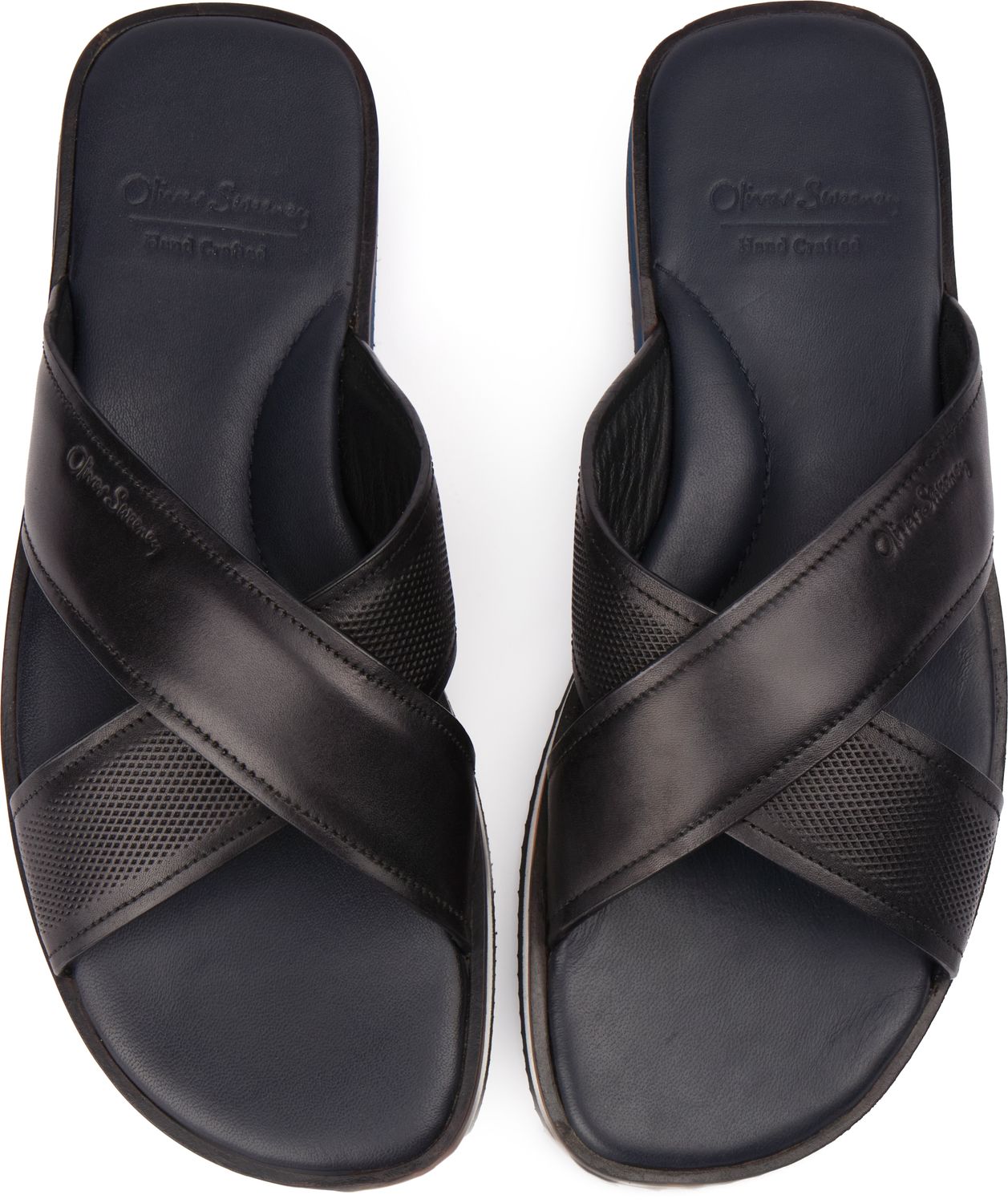
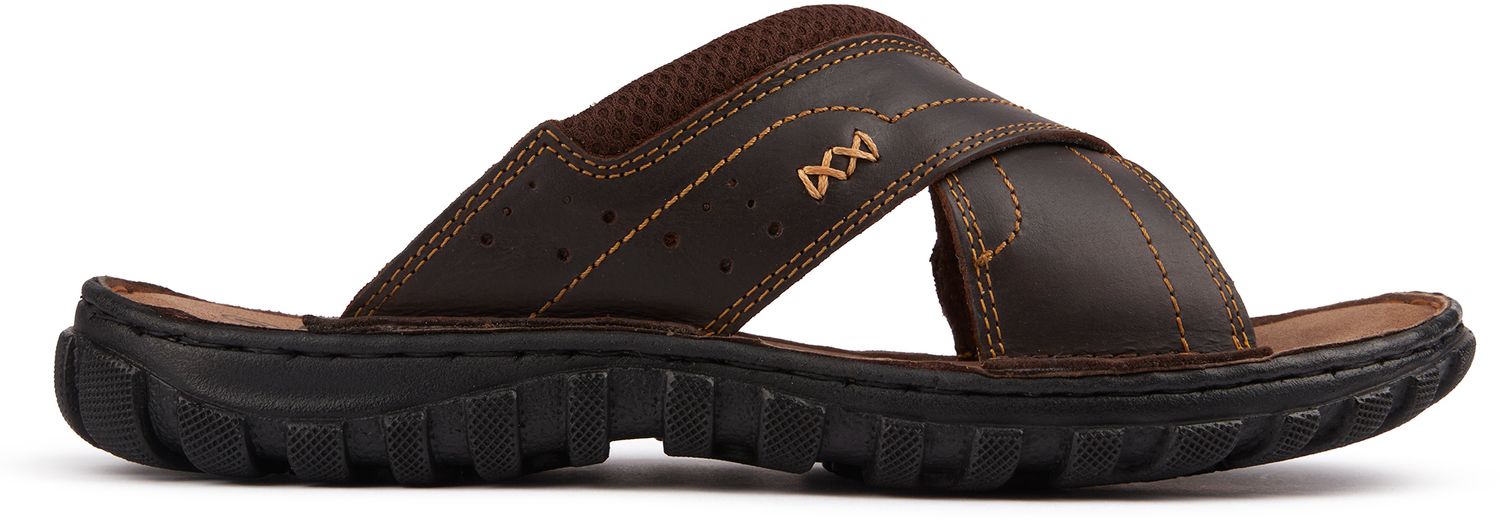
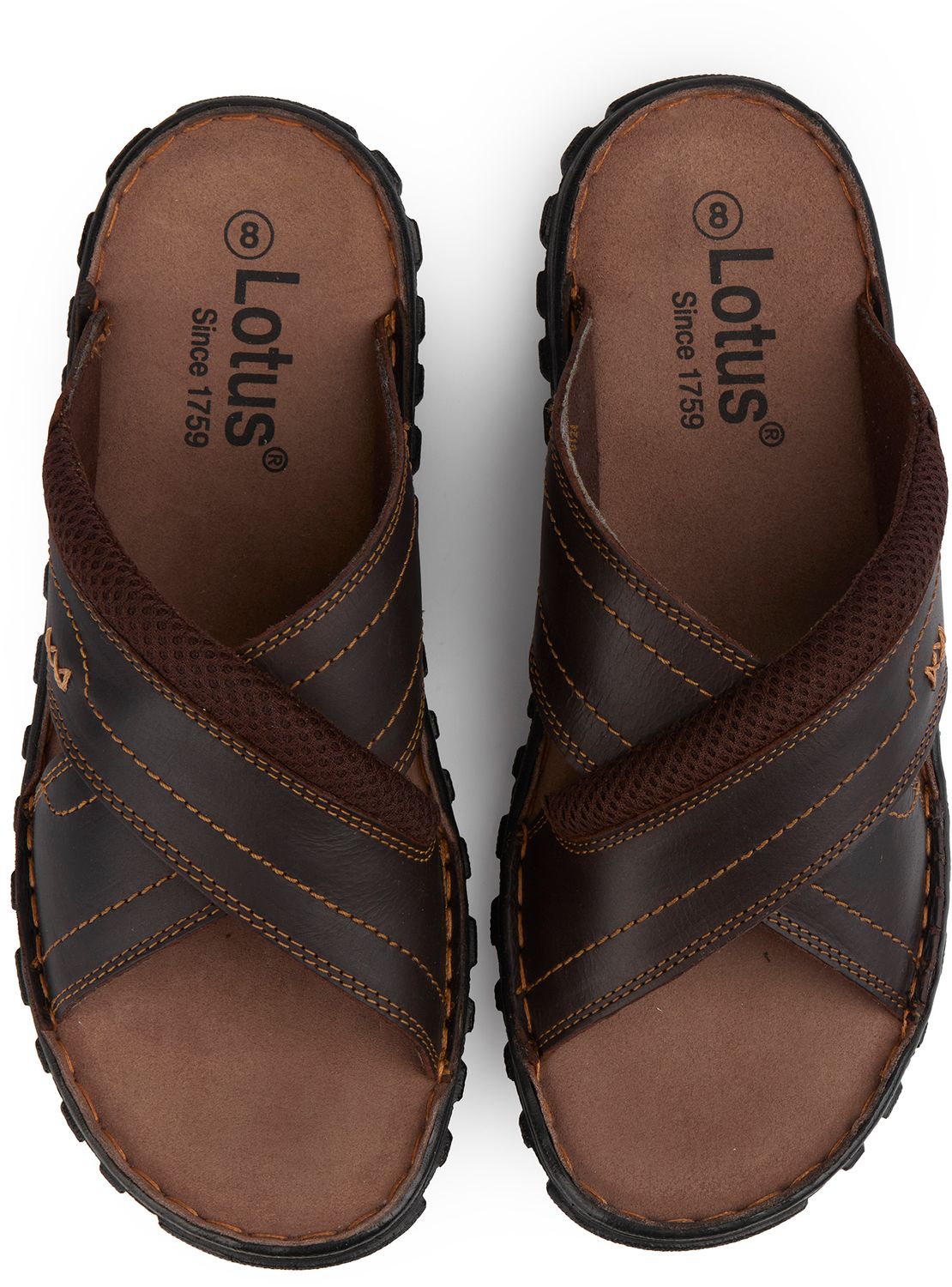
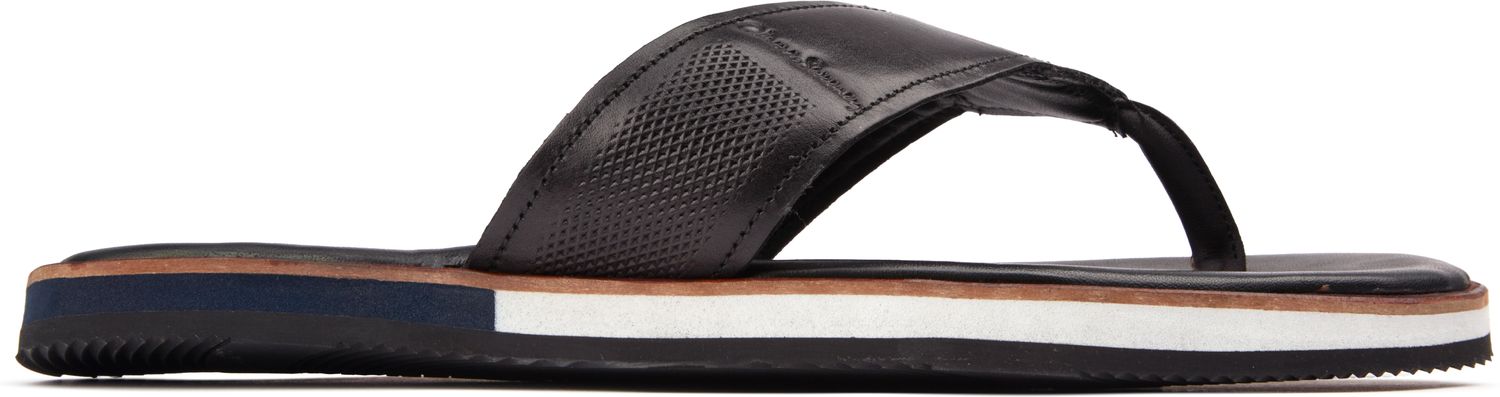
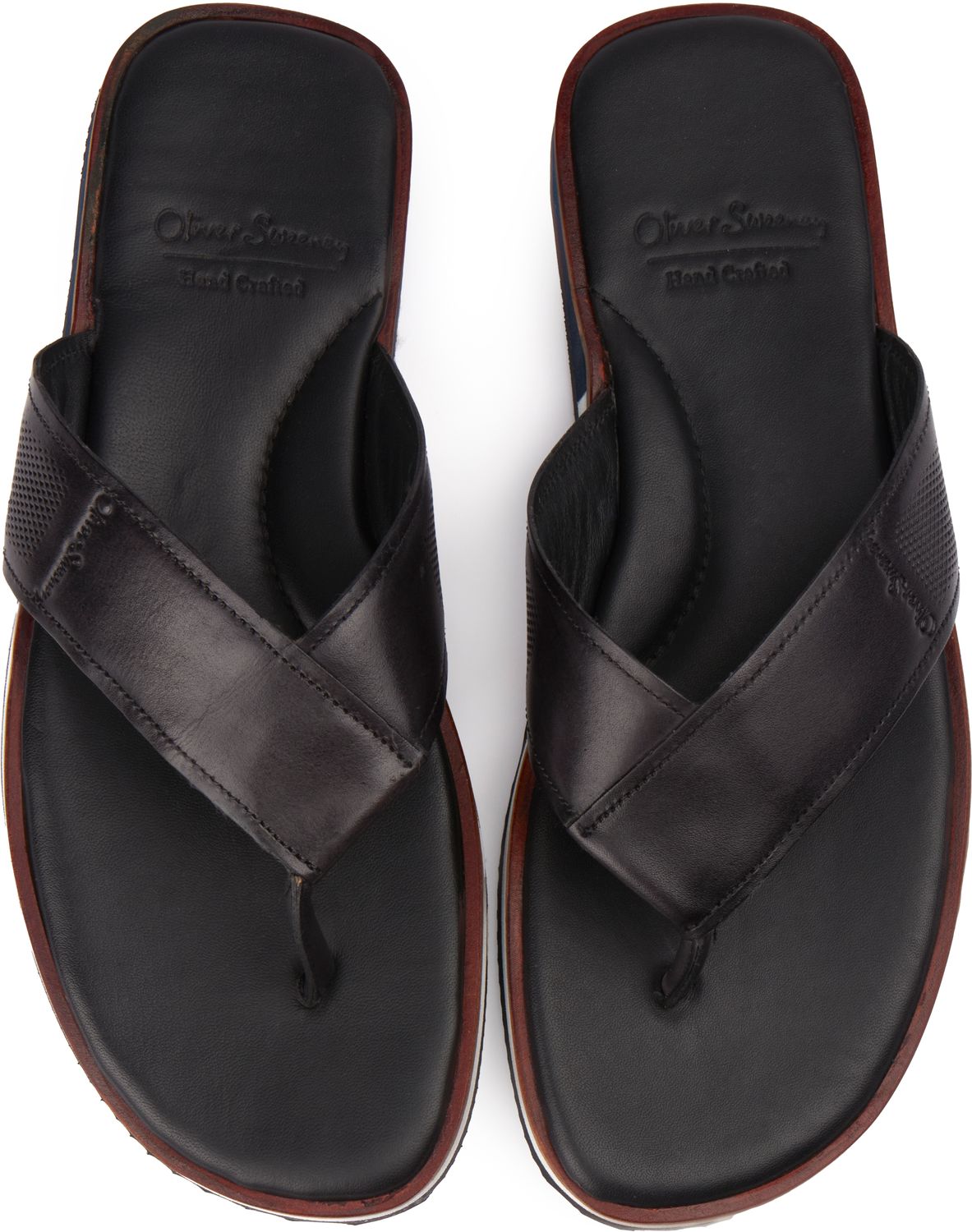
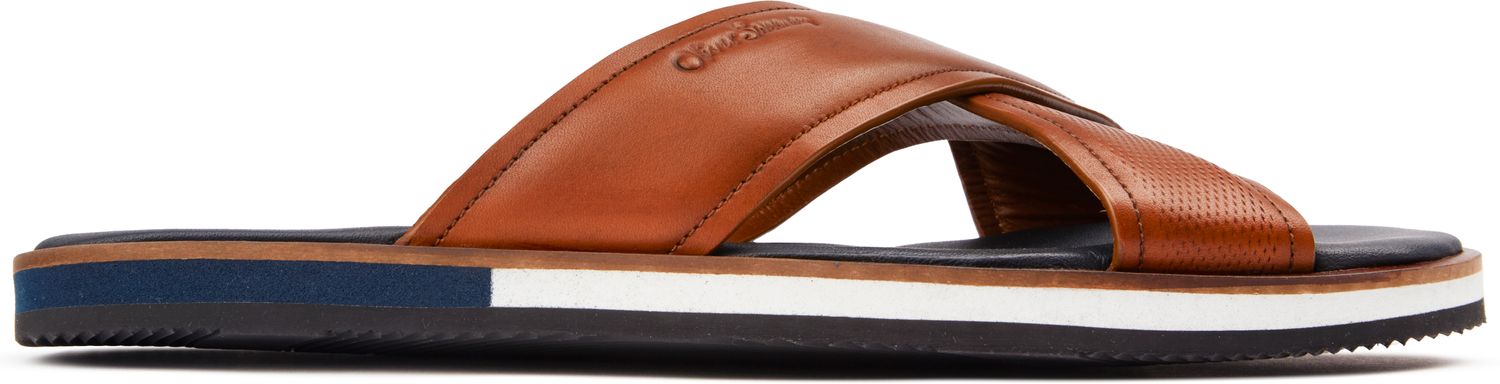
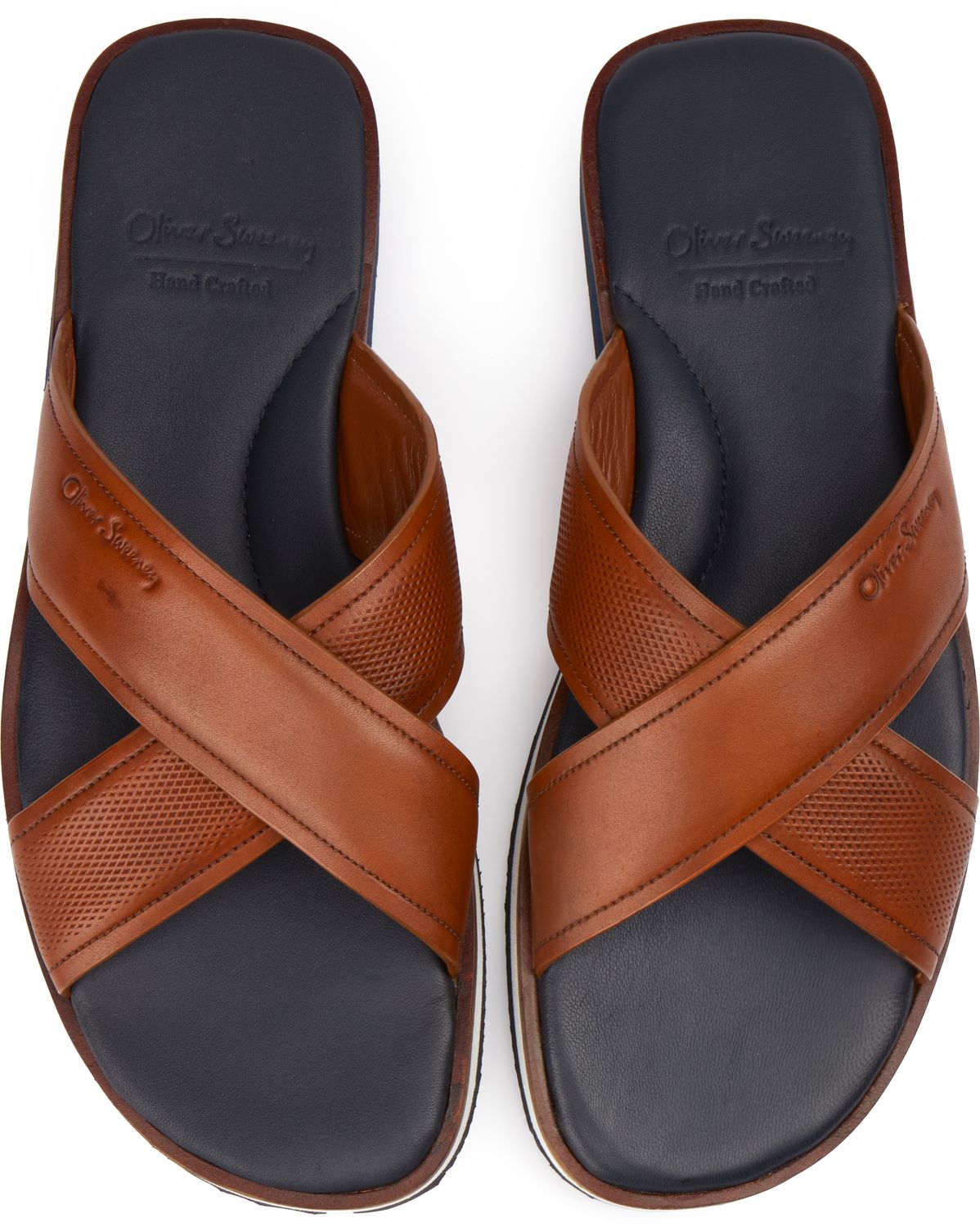
Men's Leather Sandals
Men's Leather Sandals FAQs
Leather sandal quality varies dramatically between budget high-street offerings and specialist footwear brands. Construction methods, leather grades, and strap configurations determine whether sandals last one season or multiple years. We've addressed common questions about choosing and maintaining men's leather sandals below.
What makes leather sandals better than synthetic alternatives?
Men's leather sandals offer superior breathability, allowing feet to regulate temperature naturally, whilst quality leather moulds to individual foot contours, providing personalised comfort that synthetic materials cannot replicate. Dune London uses premium Italian leather, developing attractive patina through wear rather than looking progressively more worn. Leather straps stretch slightly, accommodating foot swelling during hot weather without cutting circulation like rigid synthetic bands. However, leather requires maintenance and dries slowly after soaking, making it less practical for active water sports. The best leather sandals justify higher prices through multi-season durability, whereas cheap leather cracks and splits as quickly as synthetic alternatives.
Are closed-toe leather sandals suitable for smart-casual occasions?
Closed-toe sandals like Birkenstock Boston clogs work for creative industries and casual Friday environments when paired with chinos or tailored shorts. Their enclosed design reads more refined than open-toe alternatives whilst maintaining breathability through side cutouts. Men's dress leather sandals from Dune London with minimal branding and brown or black leather suit Mediterranean restaurants and upscale beach clubs better than bright synthetic designs. However, leather sandals remain inappropriate for business formal settings, traditional office environments, or anywhere requiring closed footwear, regardless of construction quality. Context matters more than price point.
How do you maintain leather sandals properly?
Brush off dried dirt with soft bristles before it embeds in leather grain, then wipe with a damp cloth, avoiding soaking that damages cork footbeds in Birkenstock and Ecco designs. Apply leather conditioner every few weeks during heavy use, preventing the cracking that ruins men's brown leather sandals left untreated. Rinse salt water thoroughly as it accelerates leather degradation, then stuff with newspaper absorbing moisture whilst maintaining shape. Store away from direct sunlight causing fading and brittleness. Quality sandals from Dune London and FitFlop reward proper care with years of service.
What's the difference between fisherman and strap sandals?
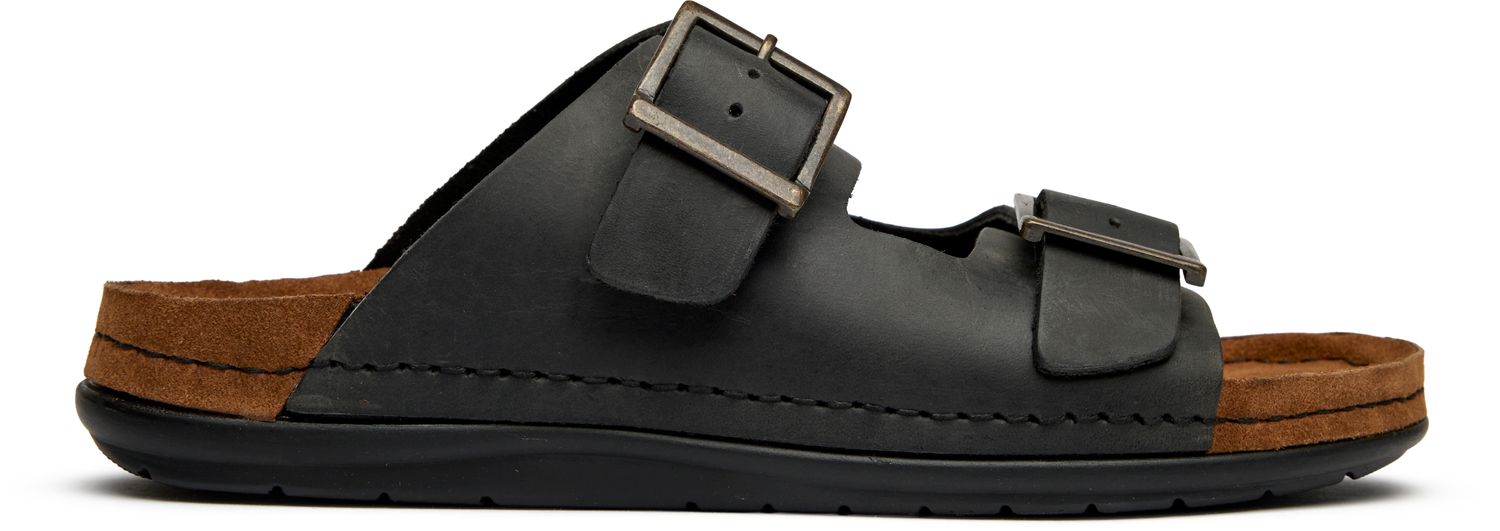
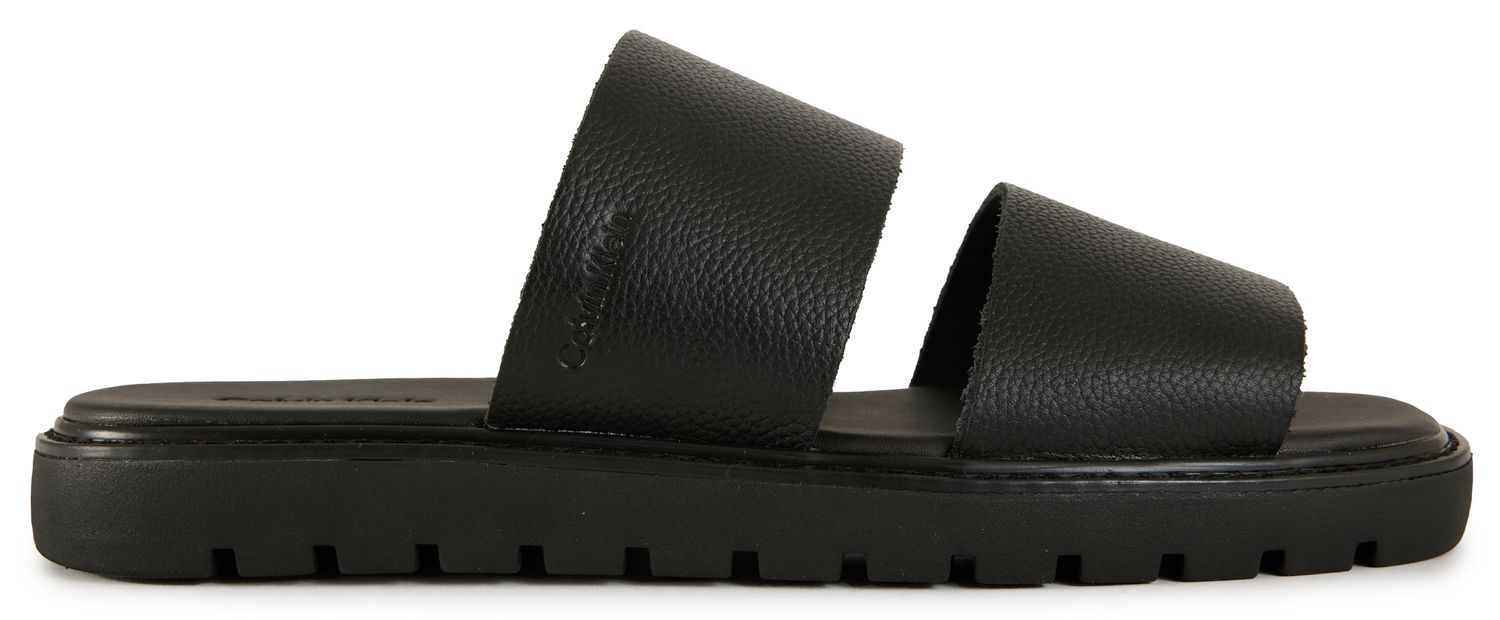
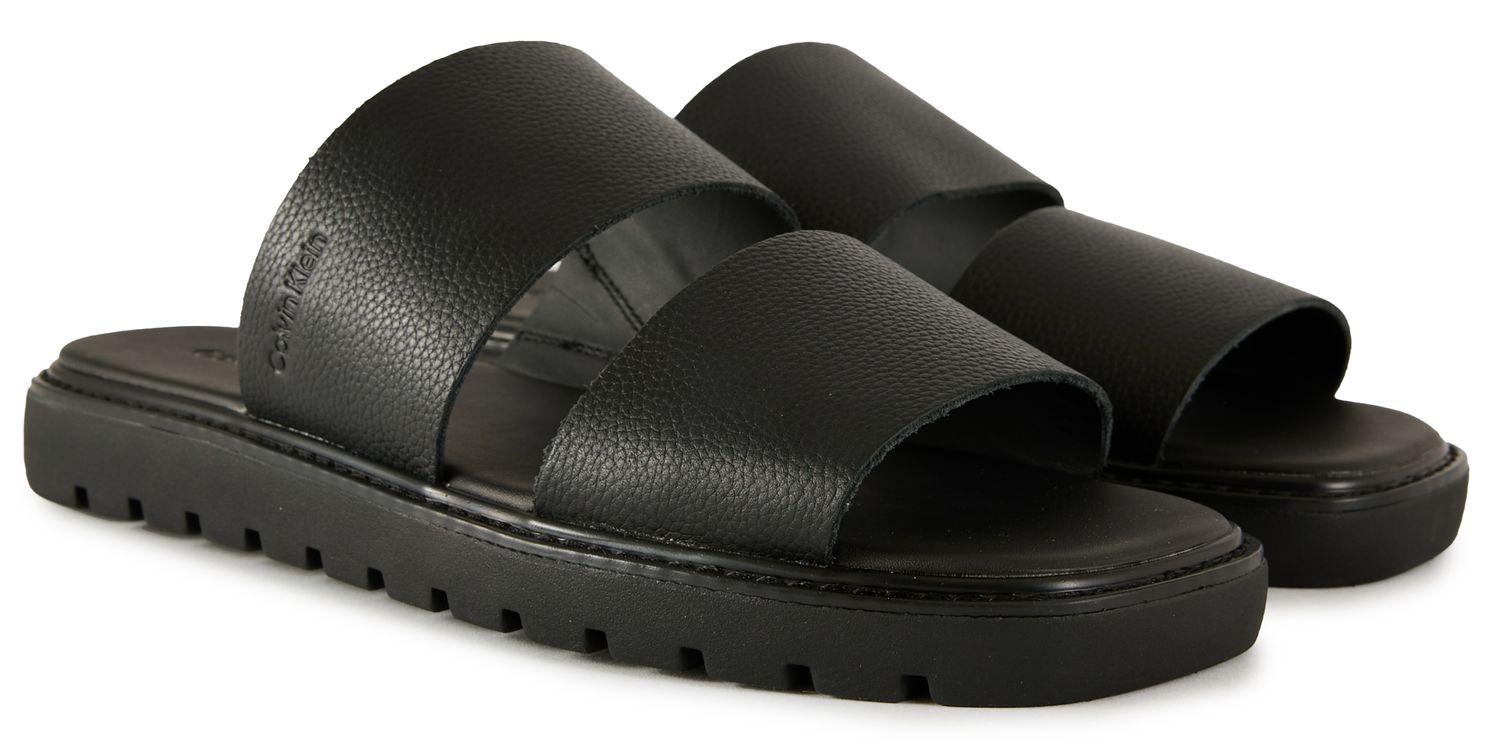
Men's fisherman leather sandals feature multiple narrow straps weaving across the foot, providing coverage approaching closed shoes, historically worn by fishermen needing toe protection whilst maintaining drainage. Modern interpretations from Dune London offer intricate strap patterns balancing ventilation with support. Simple strap sandals use two or three wide bands across the foot, prioritising quick adjustment and minimal design, exemplified by Hackett London Urban slides. Fisherman styles suit casual settings where closed shoes feel excessive, whilst minimal strap designs work for poolside and beach contexts. Neither suits formal occasions despite its leather construction.
Do leather sandals need breaking in?
Quality leather sandals require gradual break-in as materials soften and conform to feet. Birkenstock Boston clogs famously need two weeks of short wearing sessions before cork footbeds mould comfortably, initially feeling rigid compared to foam alternatives. Dune London leather straps may cause rubbing during the first wear until they stretch slightly. Wear new sandals around the house for increasing durations before committing to full-day outings. FitFlop designs with softer leathers break in faster but still benefit from gradual introduction. Cheap leather sandals often never break in properly, staying stiff until the straps tear.
Which leather sandals suit wide feet best?
Ecco Cozmo sandals accommodate wider feet through generous last shapes and soft leather uppers conforming to foot dimensions without constriction. Adjustable strap systems on Dune London designs allow customisation across varying widths, though narrow footbeds still restrict very wide feet regardless of strap adjustment. Birkenstock offers regular and narrow width options, though their regular fitting suits most wider feet adequately. Avoid slip-on sandals with fixed dimensions, favouring adjustable multi-strap designs accommodating foot spreading during hot weather when feet naturally expand.